Sheet-Pan Gnocchi and Vegetables for Two
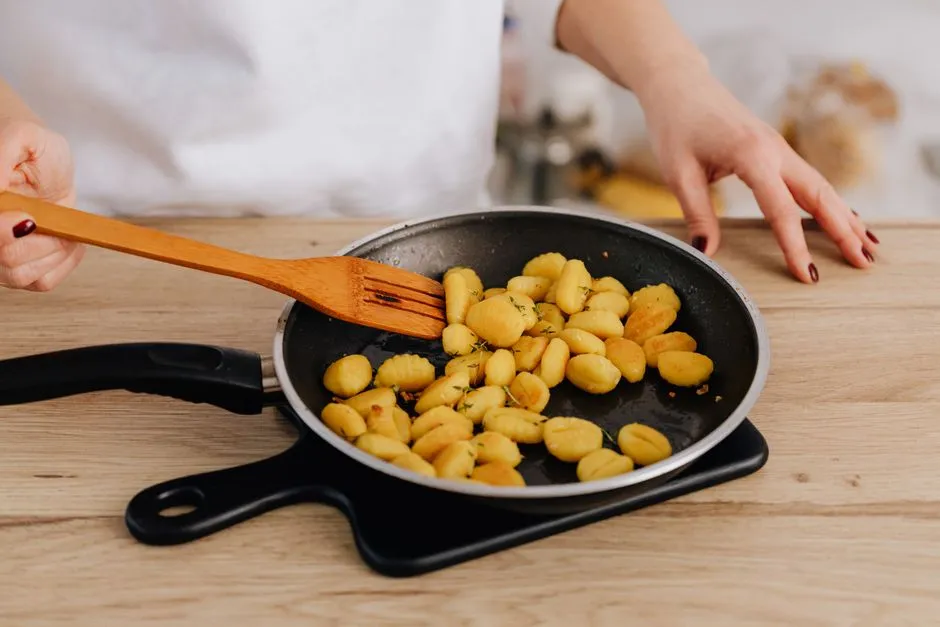
Give shelf-stable gnocchi room to roast instead of steam
This sheet-pan gnocchi dinner for two combines 500 g shelf-stable potato gnocchi with zucchini, cherry tomatoes, red pepper, olive oil, and herbs. Dry the vegetables, cut them to similar roasting size, and spread everything in one layer. Roast at 425°F (220°C) until the gnocchi are browned outside and hot through and the vegetables are tender with caramelized edges.
Use shelf-stable gnocchi whose package allows roasting or dry-pan cooking. Fresh, frozen, and filled products may need different methods.
Ingredients
- 500 g shelf-stable potato gnocchi
- 250 g zucchini, cut into 3/4-inch (2 cm) half-moons
- 200 g cherry tomatoes, left whole if small or halved if large
- 150 g red bell pepper, cut into 3/4-inch pieces
- 2 tablespoons (30 ml) olive oil
- 1 teaspoon dried Italian herb blend
- 1/2 teaspoon fine salt, divided, plus more only after tasting
- 1/8 teaspoon black pepper
- 30 g finely grated hard cheese, optional
- 2 tablespoons chopped parsley or basil, optional
This makes two generous portions. Gnocchi usually contain wheat and may contain egg or dairy; cheese adds milk. Check every label for allergens, cross-contact, preparation directions, and storage.
Heat the tray before loading only if it is safe
Heat the oven to 425°F (220°C) with a rack in the center. A heavy unlined half-sheet pan gives the ingredients plenty of space. Parchment can simplify cleanup when it is rated for the temperature, though direct metal contact may brown more strongly.
Preheating the empty pan can increase initial sizzle, but it also makes spreading ingredients more hazardous. Beginners can use a room-temperature pan and accept a slightly slower start. Never pour wet ingredients onto a dangerously hot tray.
Browse sheet-pan meals for more spacing and timing guides.
Dry and size the vegetables
Wash produce and dry it thoroughly. Cut zucchini and pepper to the stated size so they soften near the same time. Halve only larger tomatoes; very small ones can remain whole but may burst while roasting.
Keep the gnocchi dry. Do not boil it first for this recipe unless the exact package requires precooking, in which case use a different tested workflow.
Coat everything evenly
Place gnocchi, zucchini, tomatoes, and pepper in a large bowl. Add olive oil, herb blend, 1/4 teaspoon salt, and black pepper. Toss until surfaces are lightly coated.
Transfer to the pan and spread into one layer with gaps. Turn broad cut faces of zucchini and pepper toward the pan where practical. Crowding traps steam and softens the gnocchi rather than browning it.
If the only tray is small, use two trays or roast in batches. Piling everything deeper is not a space-saving technique; it is a different cooking method.
Roast, turn, and inspect
Roast for 12 minutes, then remove the tray with dry oven protection. Turn the gnocchi and vegetables with a thin spatula, rotating the pan if the oven browns unevenly.
Return for another 8 to 13 minutes. The total roasting time is 20 to 25 minutes. The gnocchi should be browned in spots, crisp at some edges, and hot through; zucchini and pepper should be tender, and tomatoes softened or burst.
Product size and oven behavior vary. Cut one gnocchi on a stable board if needed to confirm its center is hot and tender. Do not taste a cold or underheated packaged product against its instructions.
Finish after roasting
Sprinkle the remaining 1/4 teaspoon salt, optional cheese, and herbs over the hot tray. Toss carefully and taste before adding anything else.
For brightness, add a teaspoon of lemon juice or vinegar only after tasting. Acid is optional flavor, not a safety step.
The one-pan tomato orzo offers another two-person dinner with controlled starch, but tonight the gnocchi gets all available potato-based attention.
Cool and refrigerate leftovers promptly
Serve immediately from stable heat-safe plates, not directly from the hot tray at a crowded table. Refrigerate leftovers promptly in a clean shallow covered container under current official local guidance.
Reheat the needed portion until safely hot. An oven or skillet can restore more surface texture than a microwave, but follow appliance and product guidance. Discard food with an uncertain time or temperature history or signs of spoilage.